Refugee, Asylum, and Humanitarian Protection Advocacy Days
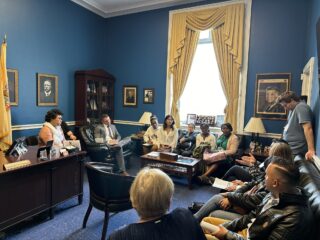
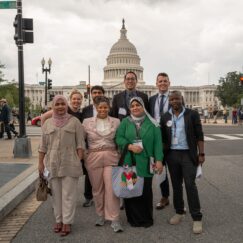
Throughout the years, RCUSA's Advocacy Days have prioritized centering advocates with lived experience in forced displacement to establish and build relationships with key congressional offices.
Participants utilize the week to galvanize and activate bipartisan support for refugee, asylum, and humanitarian programs, to lay the foundation for directly impacted leaders to advocate in their own communities, and ensure a meaningful opportunity for diverse constituents’ voices to be heard by their elected leaders.
The U.S. resettlement and asylum programs as we know it have ended – and absent urgent congressional intervention, these programs will never be the same. It’s essential that our elected leaders pressure the federal government to restore refugee and asylum protections – and live out the best of who we are.
RCUSA Advocacy Days intends to establish, maintain, and build relationships with key congressional offices to galvanize and activate bipartisan support for humanitarian programs, lay the foundation for directly-impacted leaders to advocate in their own communities, and ensure that diverse constituents’ voices are heard by their elected leaders. Additionally, Advocacy Days serves as a vital space to strengthen community ties and foster meaningful networking opportunities, providing a platform for advocates to collaborate, strategize, and build on the momentum of this event. In preparation for Advocacy Days, RCUSA will provide a series of training sessions and webinars (some mandatory, others optional) to equip advocates with additional resources to support them in effectively engaging with policymakers.
It is essential that our elected leaders understand the impact of these challenges by hearing directly from their constituents, including from refugee and forcibly displaced community leaders, refugee- and immigrant-serving organizations, community stakeholders, and a diverse array of solidarity partners.
SUPPORT ADVOCACY DAYS
THROUGH A DONATION
2026 RCUSA Advocacy Days Goals
- Activate Members of Congress on both sides of the aisle to:
- Ensure the termination of Operation PARRIS and the indiscriminate arrests, detention, “inspections,” and deportations of refugees;
- Strongly pressure the administration to restore and invest in the U.S. Refugee Admissions Program (USRAP) for the most vulnerable refugees and restore access to asylum;
- Reduce funding and reliance on ICE/CBP enforcement operations and instead invest in domestic human needs, such as housing, food, and medical and mental healthcare assistance;
- Rein in the administration’s unprecedented and repeated violations of legal obligations and ICE/CBP’s abuses;
- and Champion positive oversight initiatives, legislation, and policies that defend due process and support refugee, asylum, and humanitarian protections.
- Center advocates with lived experience of forced displacement (forcibly displaced persons, or FDPs). Support FDPs in developing their leadership skills and sharing their own stories about how the Trump administration’s harmful policies have affected their lives. (This includes creating a safe space at Advocacy Days that supports community gathering and the mental health and well-being of refugees and other FDP leaders in attendance.)
- Expand our base of new advocates – including sponsorship groups, solidarity partners, and new allies – and equip them with the knowledge, tools, and strategies needed to effectively engage with their Members of Congress. This work extends to supporting their engagement with state and local elected officials to fill gaps created by the administration or by Congress (such as those resulting from H.R.1).Click here to help support advocates attend the 2026 Advocacy Days!
Past Advocacy Days Highlights
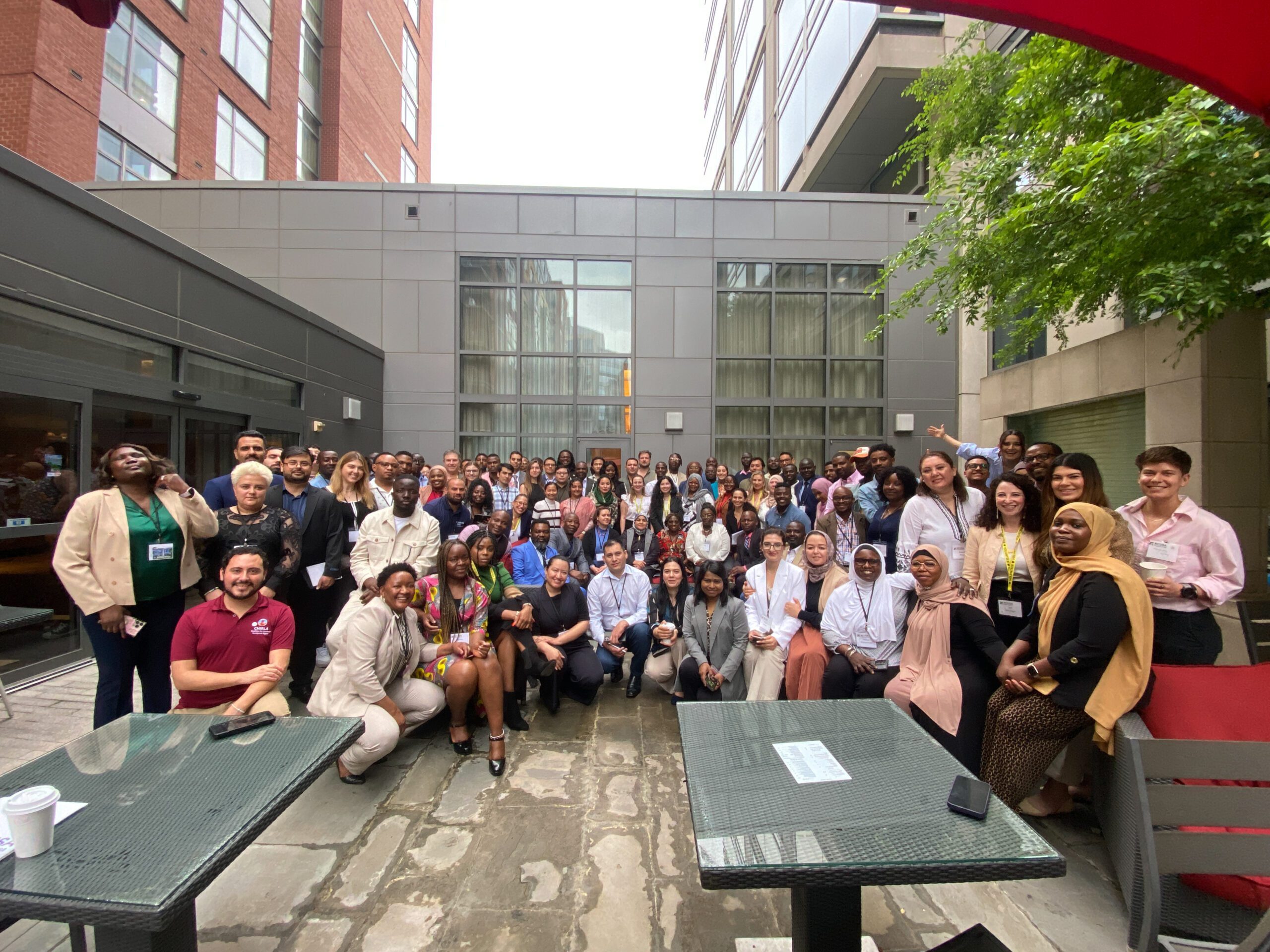
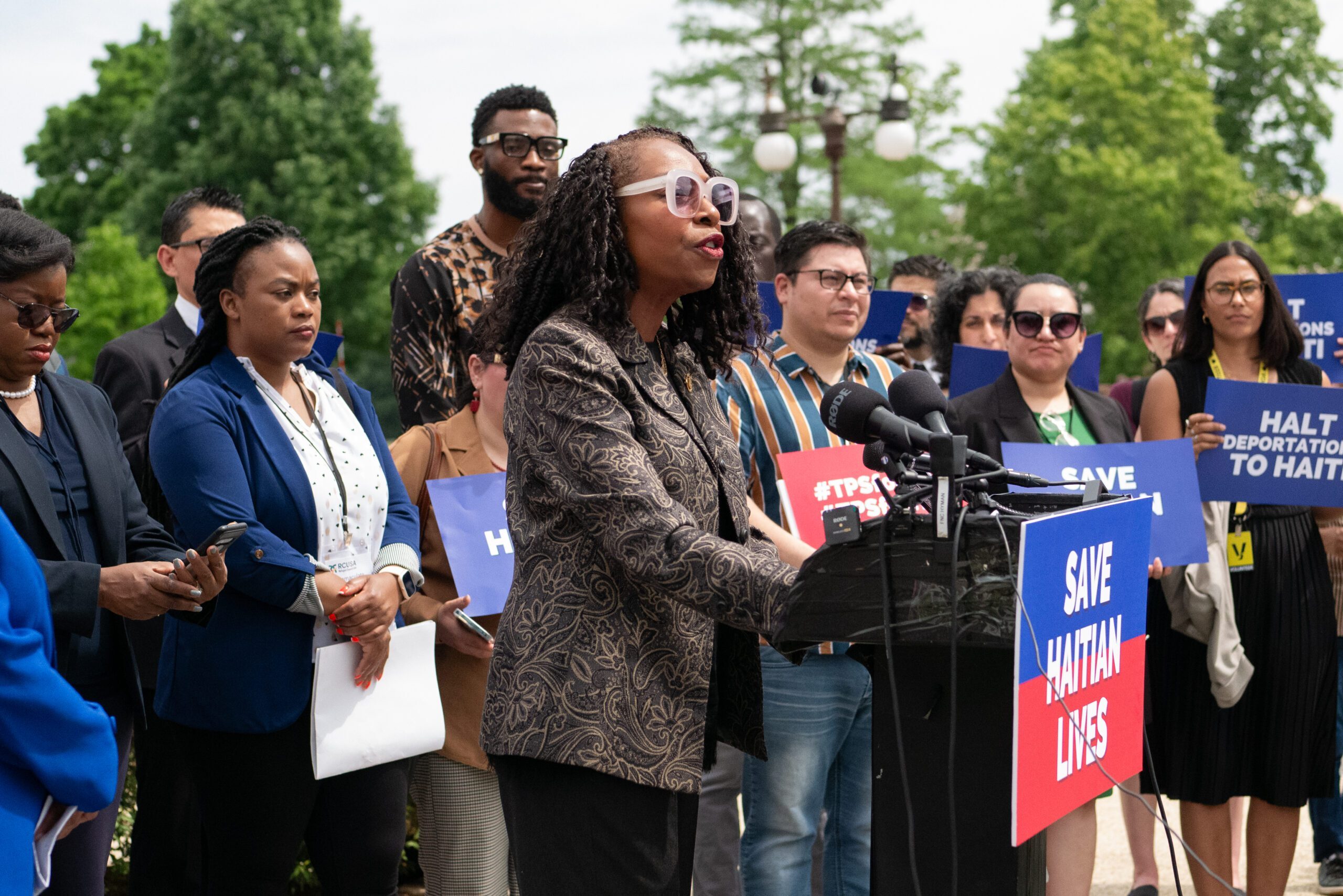
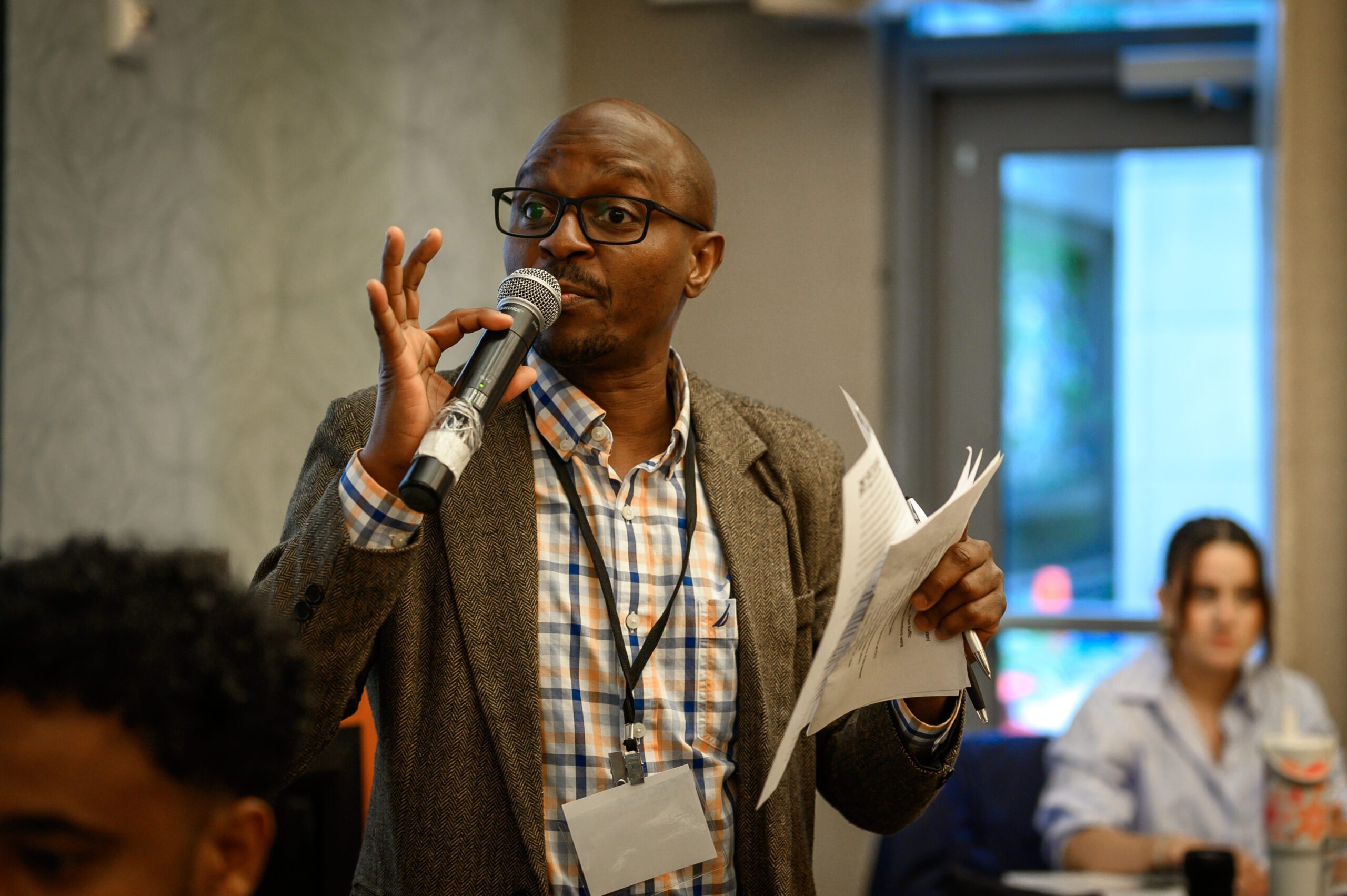
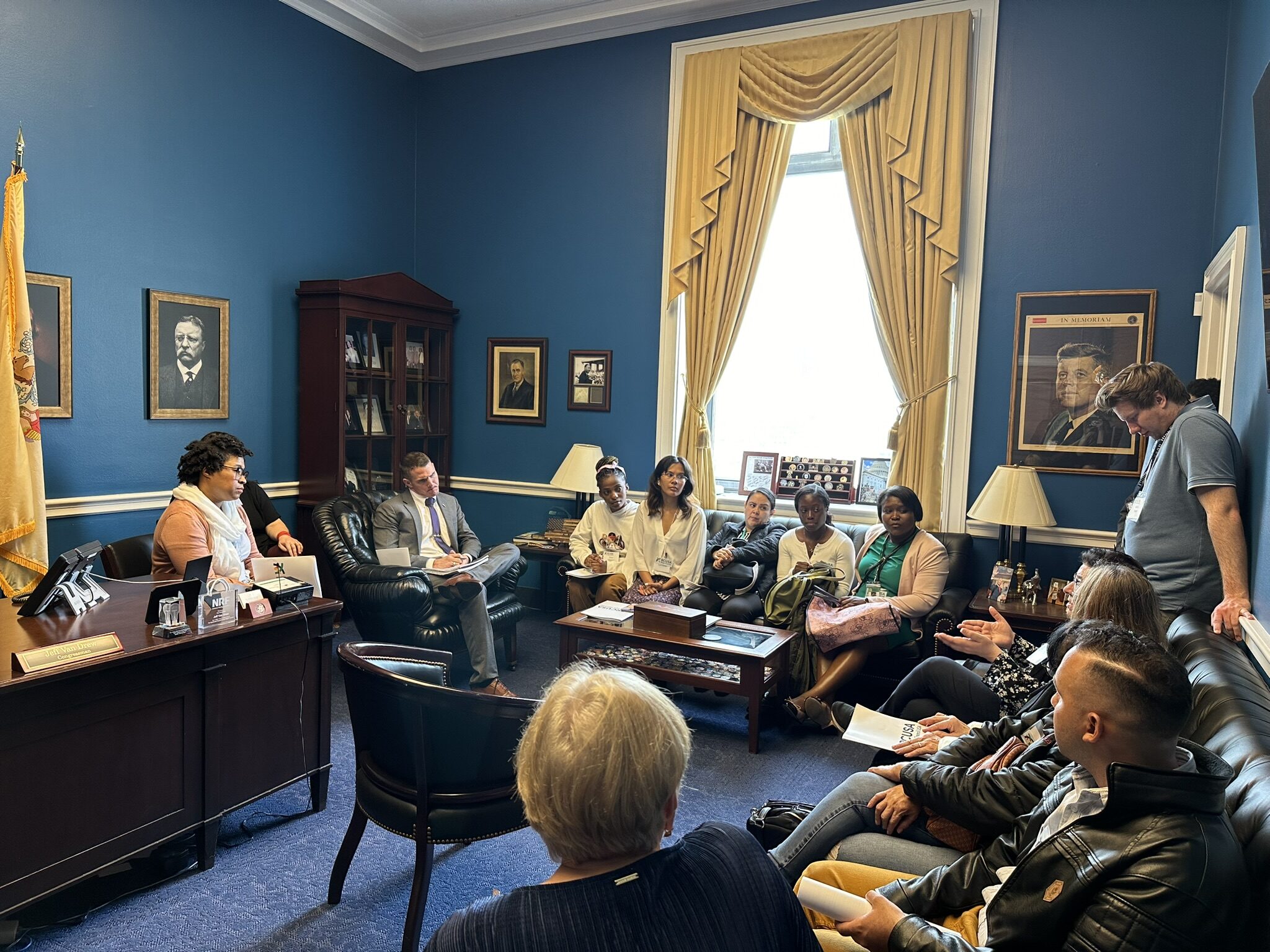
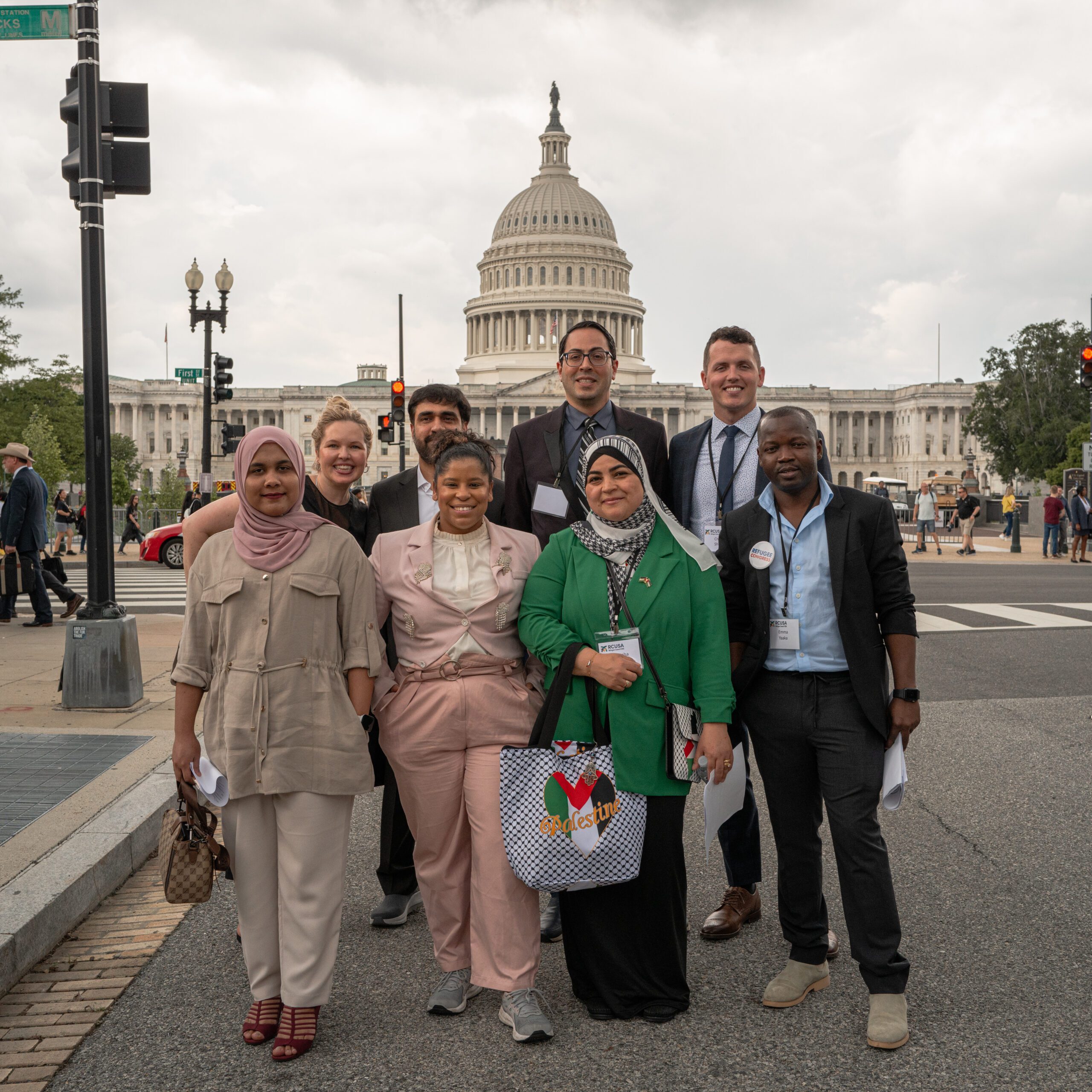
The 2025 Refugee, Asylum, and Humanitarian Protection RCUSA Advocacy Days brought together more than 400 advocates from 42 states and the District of Columbia to advance refugee and humanitarian protection at a time of escalating U.S. policy threats to refugee protections. In alignment with the overall goals of the project, RCUSA’s 2025 Advocacy Days centered advocates with lived experience in forced displacement by convening over 105 impacted leaders in intensive training, leadership development, congressional visits, press briefings, and cross-movement roundtables over three days in Washington DC. The event included more than 230 legislative meetings and drop-ins with Members of Congress, providing opportunity for participants to share their personal testimonies and advance a unified set of policy asks focused on restoring the U.S. Refugee Admissions Program and defending humanitarian protections.